leave a message
If you are interested in our products and want to know more details,please leave a message here,we will reply you as soon as we can.

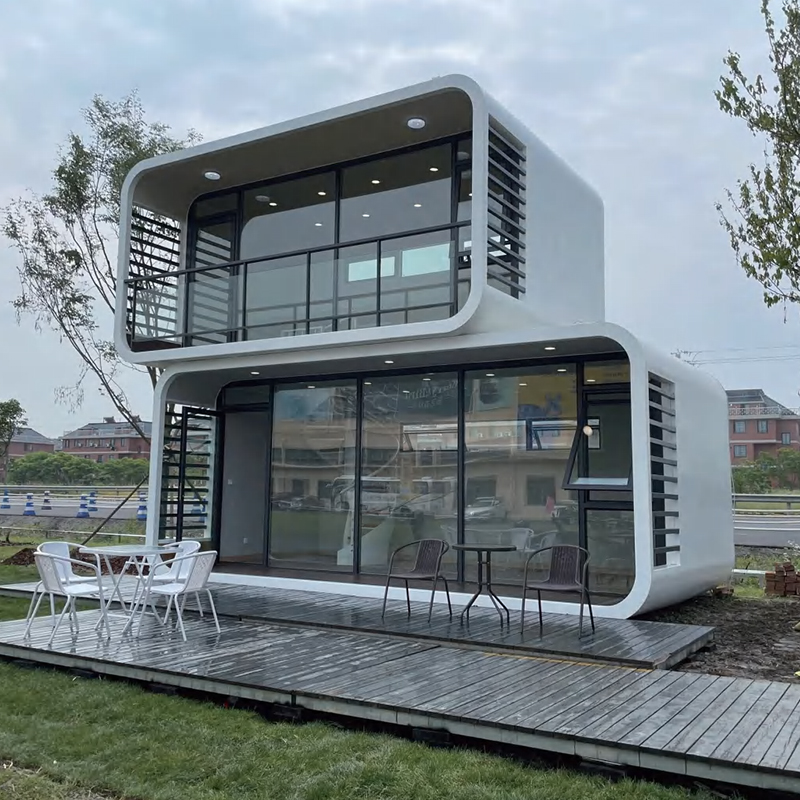
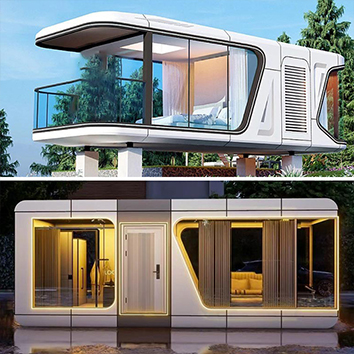
The 40Ft Luxury Expandable Container House: Redefining Modular Living with Elegance and Innovation
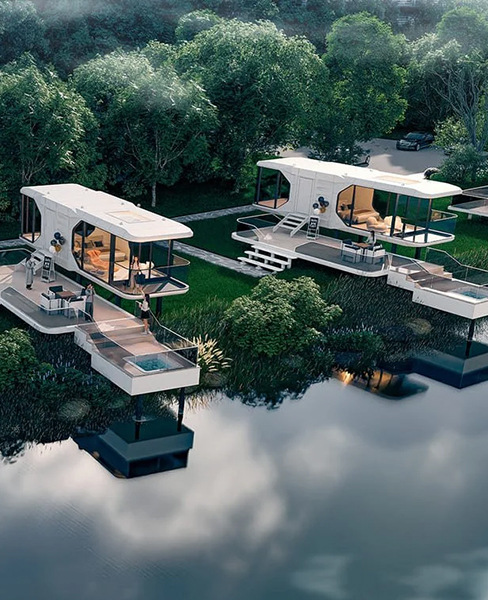
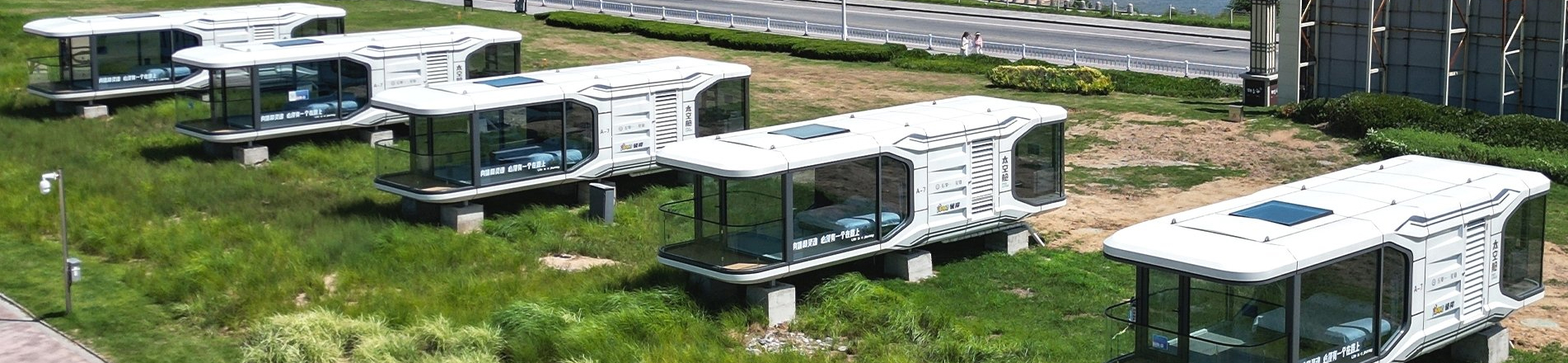
In an era where urbanization, sustainability, and personalized living converge, the 40Ft Luxury Expandable Container House emerges as a paradigm shift in modular architecture. Blending industrial robustness with high-end design, this innovative dwelling transforms a standard shipping container into a spacious, luxurious home—expanding from a compact 40-foot footprint to a generous living area in hours. Below is a deep dive into its core value proposition, design philosophy, and real-world potential.
A 40Ft luxury expandable container house starts with a ISO-standard 40-foot shipping container (external dimensions: 12.19m × 2.44m × 2.59m) but integrates a mechanical/hydraulic expansion system that unfolds or slides out additional modules. The result? A space that grows from ~28㎡ (compact mode) to 50–60㎡ (expanded mode)—nearly doubling its livable area without compromising structural integrity.
Unlike basic container homes, the "luxury" designation hinges on three pillars:
Premium Material Curation: Use of solid wood flooring, quartz countertops, tempered glass partitions, and eco-friendly insulation (e.g., recycled denim or sheep’s wool).
Smart Home Integration: IoT-enabled systems for climate control, lighting, security, and voice commands (compatible with Alexa/Google Home).
Human-Centric Layout: Zoned spaces for living, sleeping, cooking, and working—with built-in storage and flexible furniture (e.g., Murphy beds, foldable dining tables).
The expansion system is the heart of this design. Two common approaches:
Side-Slide Expansion: A secondary module (20–30ft long) slides out from one side of the container, supported by steel rails and hydraulic pistons.
Top-Lift Expansion: A roof-mounted module lifts upward (like a pop-up tent) to add vertical space, ideal for loft bedrooms.
Example: The Expandable Container Home X40 by Honomobo(a leading Canadian modular brand) expands from 40ft to 80ft in 45 minutes, adding a full bedroom, bathroom, and kitchenette.
The interior redefines "container chic" with:
Climate Control: Mini-split HVAC systems for year-round comfort, plus double-glazed windows for energy efficiency.
Bathroom Luxury: Heated floors, rainfall showers, and compact washer-dryer combos.
Kitchen Excellence: Stainless steel appliances, custom cabinetry, and induction cooktops.
|
Feature |
40Ft Luxury Expandable Container House |
Traditional Stick-Built Home |
Basic Container Home |
|---|---|---|---|
|
Build Time |
2–4 weeks (factory prefab + on-site setup) |
6–12 months |
1–2 weeks |
|
Cost per㎡ |
$1,500–$3,000 |
$2,000–$5,000 |
$800–$1,500 |
|
Mobility |
Transportable via truck/ship |
Fixed |
Transportable |
|
Eco-Friendliness |
85% recycled steel; low waste |
High material waste |
85% recycled steel |
|
Customization |
High (layout, finishes, smart features) |
Moderate |
Low |
Data Source:
The versatility of the 40Ft luxury expandable container house makes it ideal for:
Vacation Retreats: A beach or mountain getaway that expands for family visits.
Remote Work Hubs: A portable office with a small living quarters for digital nomads.
Emergency Housing: Rapid deployment for disaster relief (FEMA has tested similar designs).
Investment Properties: Rentable tiny homes in tourist areas or urban "missing middle" zones.
Sustainability 2.0: Integration of solar panels, rainwater harvesting, and composting toilets to achieve net-zero energy use.
AI-Driven Personalization: Software that lets buyers design their layout via VR before production.
Regulatory Evolution: More cities are updating zoning laws to allow modular homes as permanent residences (e.g., Austin, TX; Vancouver, BC).
The 40Ft luxury expandable container house isn’t just a dwelling—it’s a statement about adaptive living. It solves the tension between limited space and aspirational lifestyles, offering a cost-effective, eco-friendly alternative to traditional construction. As the world grapples with housing shortages and climate change, innovations like this will play a key role in shaping the future of shelter.
Would you like me to elaborate on specific design elements (e.g., smart home integrations), provide case studies of real-world projects, or draft a buyer’s checklist for this type of housing?

leave a message
Scan to Wechat :

Scan to WhatsApp :



 IPv6 network supported